
Getting into custom shoes can feel intimidating at first. I still remember staring at a plain white pair of sneakers and thinking, where do I even start? The good news is that custom shoe design doesn’t have to be complicated, expensive, or overly artistic. In fact, the best custom shoe ideas for beginners are simple, forgiving, and fun to execute.
Custom Shoe Ideas
This guide is written for first-timers. If you’ve never customized shoes before, or you’re just starting to explore creative footwear, these ideas will help you build confidence, learn core techniques, and avoid common mistakes. Think of this as a friendly walkthrough – like advice from someone who’s already made the messy errors so you don’t have to.
Below are beginner-friendly custom shoe ideas that balance creativity with practicality, along with tips on materials, techniques, and mindset.
Start With the Right Base Shoe
Before diving into design ideas, let’s talk about the foundation. Your base shoe matters more than most beginners realize.
For your first custom project, I strongly recommend:
- White or light-colored leather sneakers
- Canvas shoes (like classic low-top styles)
- Minimal designs with fewer panels and textures
These surfaces are easier to paint, dye, or modify. Leather, in particular, is very forgiving and widely used in custom shoe work because it absorbs paint evenly and cleans well.
Avoid highly textured fabrics, mesh uppers, or dark-colored shoes at the beginning. They limit what you can do and make mistakes harder to fix.
- Minimalist Color Blocking
If you’re new to custom shoes, less really is more.
Color blocking involves painting or dyeing specific panels of the shoe in solid colors. Instead of complex artwork, you focus on clean lines and balanced color placement.
Why this works for beginners:
- It teaches you brush control
- Mistakes are easier to correct
- The result often looks professional
Try using two or three complementary colors. Neutral bases like white, beige, or light gray paired with one bold accent color are a safe starting point.
This approach helps you understand how shoe panels interact visually without overwhelming yourself.
- Monochrome Custom Shoes
A monochrome custom shoe uses different shades of a single color. This is one of my favorite beginner ideas because it looks intentional even if your technique isn’t perfect yet.
For example:
- All-black with matte and gloss contrasts
- Beige, tan, and brown tones on leather
- Different shades of blue on canvas
You can experiment with finishes – matte paint, glossy sealant, or even suede overlays – to create depth without needing advanced artistic skills.
Monochrome designs also translate well into wearable, everyday shoes.
- Handwritten Quotes or Words
You don’t need to be an illustrator to add personality to shoes.
Simple words, short quotes, or single phrases can make a powerful design statement. Think of:
- One word on each shoe
- A phrase running along the side sole
- A meaningful date or name on the heel
Use a fine paint pen or small brush and keep the typography clean. Block letters or simple cursive are much easier than decorative fonts.
This idea is perfect for beginners because it focuses on precision rather than drawing complex images.
- Simple Line Art and Doodles
Line art is another beginner-friendly style that looks intentional even when imperfect.
Instead of filling large areas with color, use thin black or dark lines to create:
- Abstract shapes
- Faces or profiles
- Nature-inspired elements like leaves or waves
Mistakes in line art often add character rather than ruining the design. That’s a big confidence booster when you’re starting out.
I recommend sketching lightly with a pencil first, then tracing with paint once you’re comfortable.
- Two-Tone Laces and Lace Swaps
Customization doesn’t always mean painting the shoe itself.
One of the easiest ways to personalize shoes is by changing the laces. For beginners, this is a low-risk way to experiment with style.
Ideas include:
- Two different colored laces, one on each shoe
- Mixing flat and round laces
- Using patterned or textured laces
You can also combine lace swaps with minimal painting for a cohesive look. It’s simple, affordable, and surprisingly effective.
- Sole and Edge Detailing
If painting the upper feels intimidating, start lower.
Customizing the midsole or sole edge is a great beginner idea. A thin line of color around the sole can completely change the look of a shoe.
Popular beginner approaches:
- Blacked-out midsoles for a sleek look
- A single accent color line around the sole
- Subtle distressing for a vintage feel
Because this area is less visible, small mistakes are less noticeable, which makes it ideal for learning.
- Custom Heel Tabs and Small Panels
Instead of redesigning the entire shoe, focus on one small area.
Heel tabs, tongue labels, or side logos are perfect places to start. You can:
- Paint a contrasting color
- Add initials or symbols
- Experiment with texture
This targeted approach keeps the project manageable and helps you practice control before moving on to full designs.
- Theme-Based Beginner Designs
Having a theme makes decision-making easier.
For beginners, simple themes work best. Examples include:
- Nature (leaves, earth tones, sky colors)
- Minimal street style
- Vintage or aged aesthetics
- Travel-inspired colors
A theme gives your design direction and prevents overthinking. When in doubt, ask yourself whether each design choice fits the theme.
- Custom Shoes Inspired by Everyday Objects
You don’t need to invent something completely new.
Some of the best beginner ideas come from everyday inspiration:
- Coffee tones (cream, brown, espresso)
- Notebook or stationery colors
- City landscapes
- Sports jerseys
This approach makes color selection easier and helps your design feel cohesive.
- Start With Reversible or Low-Commitment Changes
If you’re nervous about permanence, that’s completely normal.
Begin with changes that can be undone or adjusted:
- Removable patches
- Fabric markers instead of paint
- Light layers that can be repainted
This lowers the pressure and helps you enjoy the process rather than worrying about perfection.
Common Beginner Mistakes to Avoid
Even the best custom shoe ideas can go wrong if you skip the basics. Here are a few mistakes I see beginners make often:
- Skipping surface preparation
- Using cheap or incorrect paint
- Rushing drying time between layers
- Overloading the design with too many ideas
Custom shoe design rewards patience. Take your time, let layers dry fully, and keep designs simple at first.
Building Skills Through Practice, Not Perfection
Custom shoes are a craft. Like any craft, improvement comes from repetition, not talent alone.
Your first pair probably won’t be perfect. That’s fine. Each project teaches you something – how paint behaves, how leather absorbs color, how small details make a big difference.
Many professional custom shoe designers started exactly where you are now: experimenting on simple shoes, learning through trial and error, and slowly refining their style.
When to Consider Professional Custom Shoe Makers
As your interest grows, you may reach a point where you want higher-quality materials, more complex construction, or even custom-built shoes rather than modified ones.
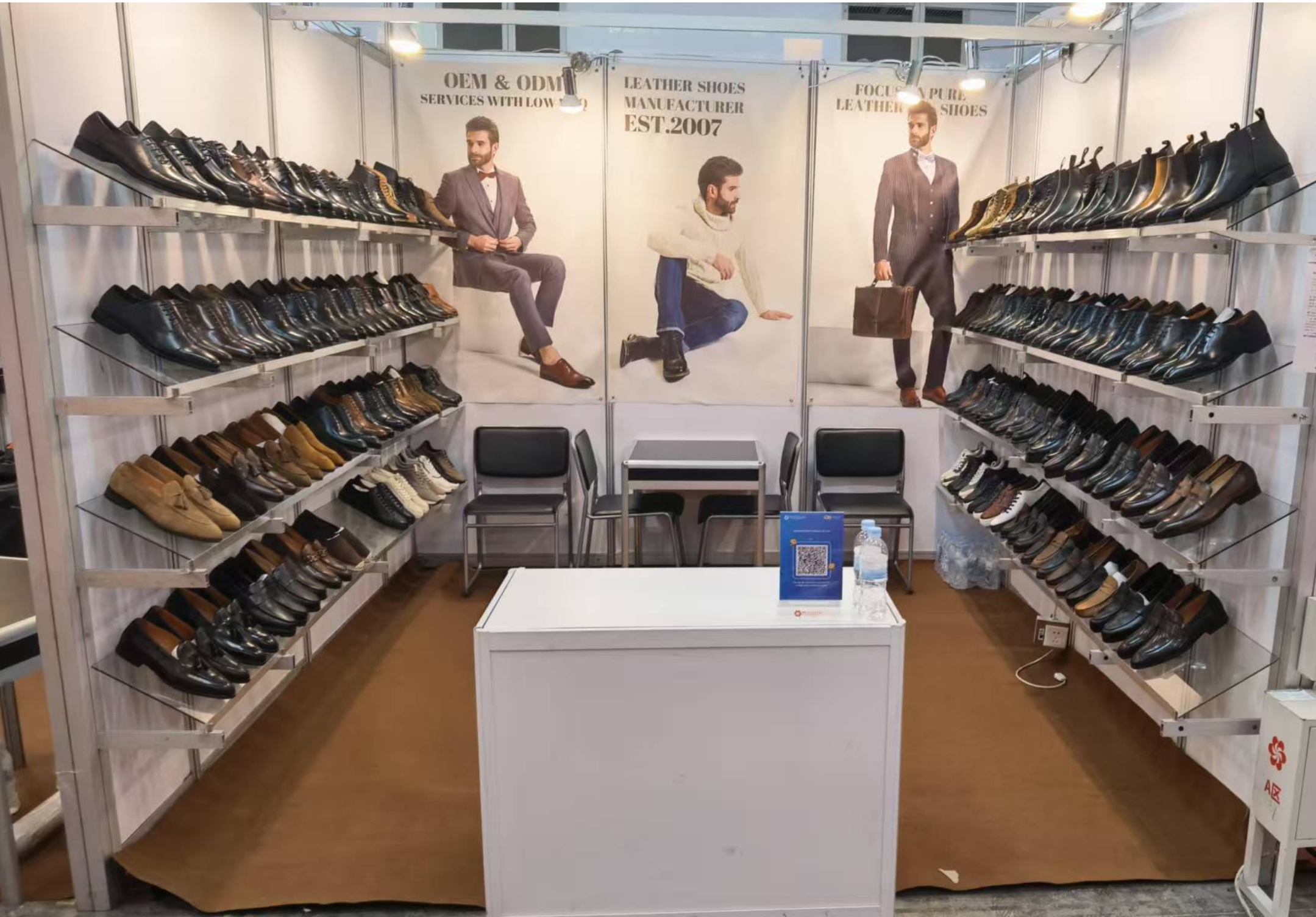
That’s where experienced manufacturers come in. Companies like Shanghai Wincheer, with nearly two decades of experience specializing in premium leather custom shoes, work closely with brands and designers to turn concepts into wearable, high-quality footwear. For beginners who eventually want to scale ideas into production, understanding how professional custom shoe makers operate can be incredibly valuable.
Final Thoughts
Custom shoe design doesn’t require advanced skills, expensive tools, or artistic perfection. The best custom shoe ideas for beginners focus on simplicity, creativity, and learning through doing.
Start small. Choose forgiving designs. Enjoy the process. Every pair you customize builds confidence and skill.
Most importantly, remember that custom shoes are personal. There’s no single “right” design – only what feels right to you.